They Said I'd Feel Different About Free Speech as a Parent. They Were Wrong.
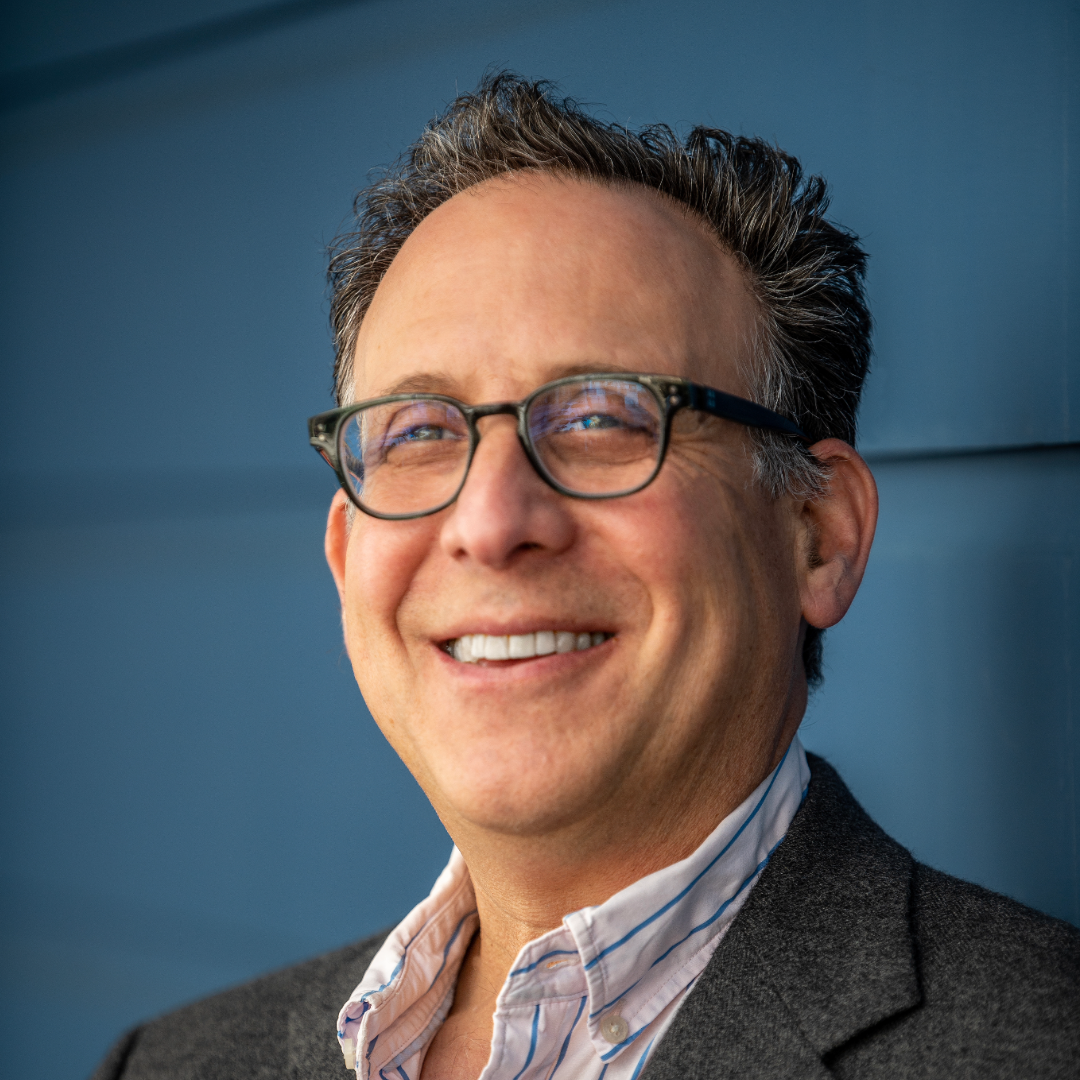
David Greene / Jun 25, 2026David Greene is senior counsel at the Electronic Frontier Foundation (EFF).

When I first began working on free speech issues full time in 1997, I worked on lots of challenges to freedom of speech based on feared harms to children. At the time, the perceived threats to young people were supposedly Satanic lyrics in heavy metal and violence on television. In conversations with fellow advocates on both sides of the issues, I was frequently admonished "Just wait until you have kids of your own. You’ll feel different then."
I found this warning odd at the time. I was young enough to remember what it felt like to be on the other side of that generational divide. My response was usually a non-committal, "Maybe. I guess we’ll see."
I did become a father a few years later. In fact, this year marks the 25th anniversary of that milestone. But becoming a parent didn't make me want the government to restrict the world for my children; it made me realize how vital it was that they be allowed to inhabit it freely. Rather than make me doubt whether young people had free speech rights worth protecting, it made me feel even more strongly that they did.
Parenthood, even in the earliest days, made it clear to me that my children were not mere balls of clay for me to mold. They were, and are, their own people. They are individual human beings with their own burgeoning interests, their own voices, and also their own rights and intellectual self-determination. As a new parent, I felt an even greater obligation to advocate for my and all young people’s rights, not to empower the state to restrict them. This feeling only got stronger as my child, and then children, grew older.
We are currently witnessing a massive, international rush to age-gate the internet. Since Australia banned young people from accessing social media late last year, Malaysia, Indonesia, Brazil, Canada, the UK, and lawmakers across the EU have all announced or enacted similar proposals. Over half of the US—from conservative legislatures to traditionally progressive states—has already moved toward requiring age verification for often broadly defined sexual content or outright banning social media access for minors. But in this haste to "protect" children, we are fundamentally mischaracterizing who young people are and what speech rights they have.
I fear the danger here is that the national and international conversation has skipped a vital step. We have moved directly to "How can we implement age-gating while protecting privacy?" without properly considering, "Should we be doing this at all?"
I am not denying the fear and concerns that many parents have about their children using social media and other online services too much, and their desire for help. In my own home, there were plenty of times I disagreed with my children’s choices or worried about the media they consumed, and how much they consumed it. We talked about those things deeply, and often. We talked a lot about how to navigate this complex world, both online and off. We considered the available access-limiting tools and whether to take on the burden of setting them up. Yet never once did I want the state to step in and make those decisions for us.
We must resist the urge to solve complex sociological problems like children’s safety or mental health with blunt-force censorship. There is not likely a single solution for all online harms to young people – we should address criminal law concerns like predation far differently than we should address concerns about harmful speech or habit-forming use. Age-gating simply and bluntly cuts young people off from the online world, and in doing so, the offline world as well.
And it lacks the precision that freedom of speech requires when we seek to address harmful effects of speech. International human rights law recognizes that young people have the right to speak and access information, as well as to “participate freely in cultural life and the arts.” US law has similarly acknowledged the rights of young people. In the landmark 2011 Supreme Court case Brown v. Entertainment Merchants Association, which addressed a law that placed age restrictions on violent video games, the Court was clear: "Minors are entitled to a significant measure of First Amendment protection, and only in relatively narrow and well-defined circumstances may government bar public dissemination of protected materials to them." The Court later specifically applied that right to the use of social media.
And mandated age gates create risks for all of us, adults and young people alike, by creating a surveillance infrastructure that endangers the privacy of all users. Age verification threatens the anonymity of even adult users, a limitation that tends historically to affect the most vulnerable among us most severely. By forcing every user to verify their identity to access broad swaths of the internet, we aren't protecting kids; we are surveilling everyone and infantilizing the next generation of voters, activists, and thinkers. We are telling young people that their curiosity is a liability and their autonomy is a myth.
As I celebrate 25 years of parenthood (happy birthday, kid!), I am more convinced than ever that an important part of protecting our children is to respect and advocate for their rights. We should be teaching them how to use their voices, not cutting them off from online communities and information. The momentum for age-gating may be strong, but the First Amendment was designed specifically to withstand the winds of popular panic. I will keep trying to defend it.

Authors